
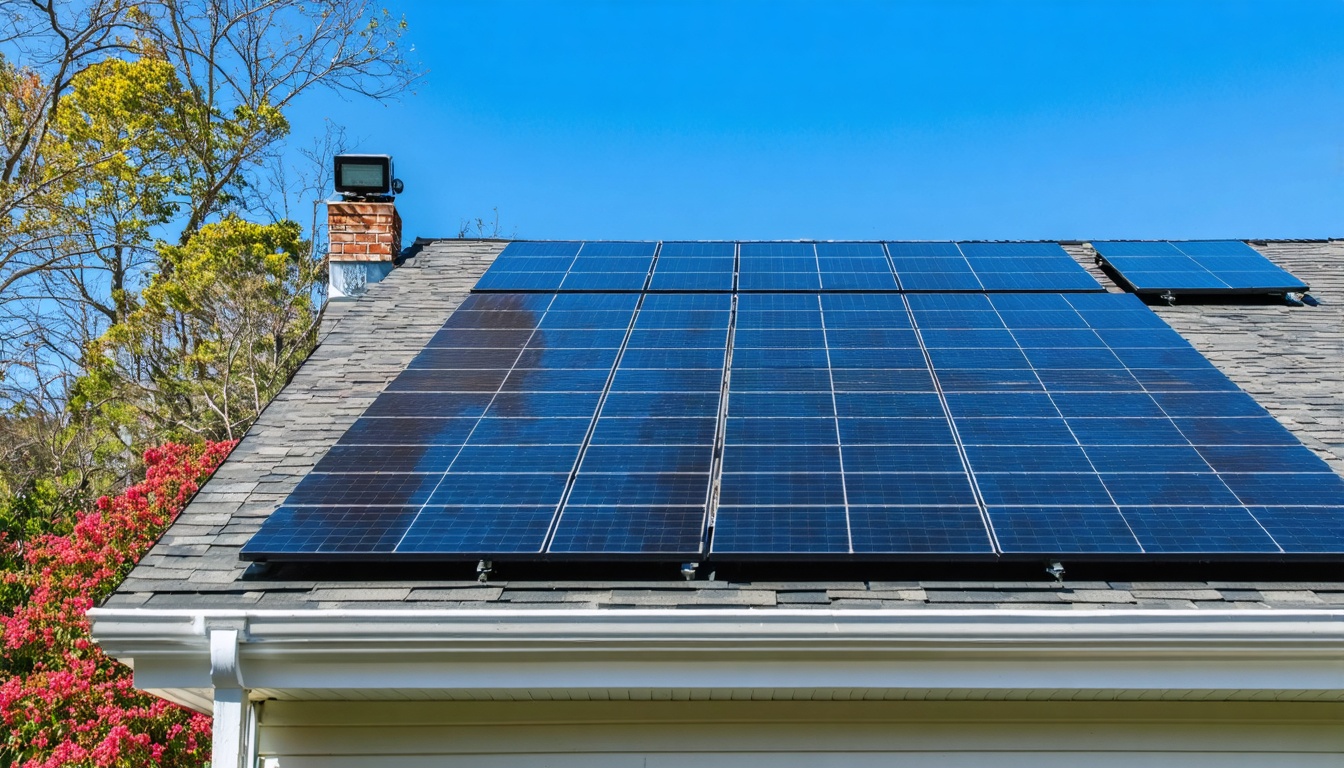
How North Carolina Homeowners Can Make the Most of Their Solar Potential
Homeowners in North Carolina are increasingly exploring solar energy as a viable option for managing their energy consumption and costs. The state offers various incentives that encourage the installation of solar panels, which can economically benefit homeowners while contributing to environmental sustainability. Understanding the key factors in optimizing solar energy use is essential for any homeowner considering this investment. Firstly, it is critical to assess the solar potential of your property, which can depend on factors such as geographic location, roof orientation, and shading from nearby trees or structures. A solar assessment or consultation with a professional can provide insights into how much energy you can realistically generate. Additionally, financial considerations play a significant role. North Carolina offers tax credits and rebate programs that can offset the initial costs of solar installation. Homeowners should evaluate the total cost of the system, expected energy savings, and potential return on investment over time. Furthermore, homeowners should also familiarize themselves with the state's net metering policies. These rules allow you to receive credit for any excess energy your solar panels produce and send back to the grid, enhancing the overall financial return of your system. In summary, homeowners in North Carolina interested in solar energy should conduct thorough research and seek professional advice to understand the viability and financial implications of a solar energy system. By carefully evaluating their options and understanding the available incentives, homeowners can maximize the benefits of their solar investments.
Assessing Solar Suitability for Your Property
Evaluating the suitability of your North Carolina home for solar energy involves several important factors.
One key consideration is your roof's orientation; roofs that face south, west, or east generally receive the most sunlight, which is crucial for optimizing energy output from photovoltaic (PV) systems. It is also essential to consider potential shading caused by trees or nearby structures, as significant obstructions can diminish the effectiveness of solar panels.
Another important aspect to assess is the condition of your roof. If your roof is aging or requires repairs, these issues should be addressed prior to the installation of a solar energy system, as they may affect the feasibility and longevity of the solar panels.
In North Carolina, homeowners can access resources such as NC Clean Energy and the North Carolina Department of Environmental Quality to assist in evaluating their property’s suitability for solar energy.
For properties where the roof does not provide an ideal location for solar panels, ground-mounted solar systems may be a viable alternative. Exploring these options can help homeowners utilize solar energy and potentially reduce their environmental impact.
Additionally, for a thorough assessment of your property’s solar potential, requesting a free evaluation from a local Service Center or Technology Center is advisable.
Maximizing Financial Incentives and Cost Savings
Adopting solar energy in North Carolina necessitates a comprehensive understanding of the financial incentives available to homeowners. The Inflation Reduction Act currently offers a federal tax credit of 30% for residential photovoltaic (PV) systems, which significantly reduces the initial costs associated with solar installation. For detailed guidance on eligibility and application processes, visit https://solarpanelnorthcarolina.com/.
In addition to this federal incentive, North Carolina has implemented various programs, such as property tax exemptions, which further lower the overall financial barriers for residents interested in solar energy.
Another important aspect to consider is net metering, which allows homeowners to receive credits for any surplus electricity generated by their rooftop solar systems that is fed back into the energy grid. This mechanism can serve to offset ongoing energy costs and potentially enhance the return on investment for solar setups.
Research conducted by the Lawrence Berkeley National Laboratory indicates that the installation of solar systems may lead to an increase in property values. This suggests that investment in solar energy has the potential to provide not only immediate financial benefits but also contribute to long-term asset value growth.
Homeowners seeking detailed information about these financial incentives and programs are advised to consult the resources provided by the Technology Center, as well as review their Privacy Policy and Terms of Use, or to contact their local office for further assistance.
Achieving Energy Independence with Solar
Installing solar panels on residential properties in North Carolina offers homeowners the ability to manage their energy production and reduce reliance on traditional utility providers.
Rooftop photovoltaic (PV) systems can lead to financial benefits by stabilizing energy costs amid fluctuating market rates. Homeowners can participate in net metering programs, enabling them to return surplus energy generated by their solar systems back to the grid. This process allows them to earn credits that can help offset their electricity bills.
Given that North Carolina averages over 220 sunny days per year, the potential for effective solar energy generation is significant.
Furthermore, various resources and tax incentives are available through entities such as the North Carolina Clean Energy Technology Center and the Department of Energy. The Inflation Reduction Act, in particular, provides support for residential solar projects, which aligns with broader energy independence goals by encouraging the use of renewable energy sources.
Enhancing Environmental Impact through Renewable Energy
Transitioning to solar energy in North Carolina has a measurable impact on reducing the state's carbon emissions, contributing to improved air quality and environmental health. The implementation of rooftop photovoltaic (PV) systems enables homeowners to engage in efforts that enhance the sustainability of the regional power grid and support state-level air quality initiatives.
Various state programs, including net metering and provisions under the Inflation Reduction Act, provide financial incentives for homeowners to decrease their carbon footprint. These programs allow individuals to earn tax credits while reducing their emissions. By generating surplus energy and returning it to the grid, homeowners help diminish reliance on fossil fuels, which can positively affect businesses and the public.
Organizations such as the North Carolina Department of Environmental Quality, the North Carolina Renewable Energy Technology Center, and Berkeley National Laboratory recognize these developments as important strategies in combating climate change.
The adoption of renewable energy sources, such as solar power, supports long-term efforts in environmental preservation and addresses climate challenges in a systematic manner.
Increasing Property Value with Solar Installations
Investing in solar panels can result in lower energy costs and may positively influence a home's market value.
Residential rooftop photovoltaic (PV) systems enhance energy efficiency and appeal to environmentally conscious buyers. In North Carolina, homes with solar installations often experience an increase in value, with estimates averaging around $15,000. This trend suggests that homeowners in the region may find it advantageous to consider solar adoption.
Furthermore, several incentives are available to support the transition to solar energy. These include tax credits from the Inflation Reduction Act and programs initiated by the North Carolina Clean Energy initiative, which can help reduce initial investment costs.
Installing solar technology can also afford homeowners a degree of energy independence, which may lead to long-term savings on utility bills.
Evidence from the Lawrence Berkeley National Laboratory indicates that properties equipped with solar energy systems tend to sell more quickly than similar properties lacking such systems.
For additional information, homeowners can consult resources provided by the North Carolina Department of Environmental Quality and the Mail Service Center.
Conclusion
Choosing solar energy for your home in North Carolina can yield several economic and environmental benefits. When implemented appropriately, solar energy systems can help homeowners take advantage of financial incentives, reduce electricity costs, and increase property value. In North Carolina, there are specific programs and tax credits available that may enhance the financial feasibility of installing solar panels. In particular, the federal Investment Tax Credit (ITC) allows homeowners to deduct a percentage of the cost of installing a solar energy system from their federal taxes. Additionally, North Carolina offers a state property tax exemption for renewable energy installations, meaning homeowners will not see an increase in property taxes due to their solar systems. Moreover, solar energy systems contribute to reduced reliance on traditional energy sources, which can result in lower greenhouse gas emissions and a smaller carbon footprint. This shift not only supports broader environmental goals but can also foster local economic growth by creating jobs in the renewable energy sector. Homeowners are encouraged to evaluate their potential for solar energy generation by considering factors such as roof orientation, shading, and local incentives. Conducting an assessment can help homeowners determine the viability of solar energy for their specific circumstances and identify the best financing options available. In summary, adopting solar energy in North Carolina presents a practical approach for homeowners looking to enhance their energy independence while also benefiting financially and environmentally. It is advisable to explore all available resources and conduct thorough research before making a decision.

Contact us Today!
Whether you need maintenance and repairs done to your air conditioner or heater, we have you covered! DMS air provides affordable, reliable service by one of many certified HVAC professionals on our team. If you have any questions about your current HVAC equipment or are thinking of an upgrade, we will be happy to provide a consultation and estimate of the costs of repairing or replacing your old heater and air conditioner.
Contact Us